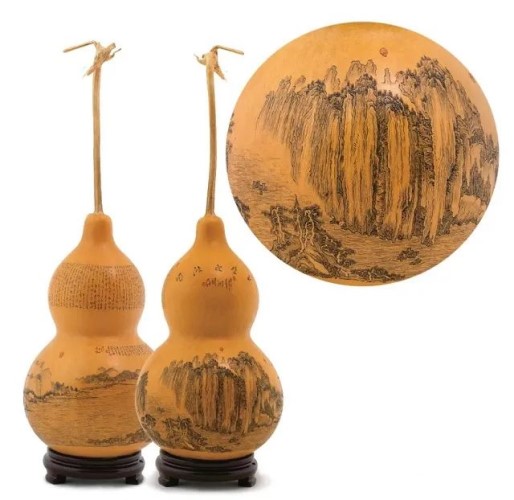
Gourd Making Technique
Introduction
Gourd making technique encompasses a variety of traditional and modern methods used to transform the humble gourd into artistic and functional objects. As a versatile craft, it includes carving, painting, polishing, and pyrography, each contributing to the gourd's aesthetic and cultural significance. The gourd, known for its auspicious symbolism in Chinese culture, serves as a canvas for artisans to express creativity through intricate designs and motifs that reflect both traditional and contemporary themes. This craft, rich in history and cultural heritage, has been passed down through generations and continues to evolve with the infusion of modern ideas and techniques.
History
Gourd making has a rich and storied history, with its origins tracing back over 1,600 years. Initially developed as a method of decorating portable wine pots, the craft gained popularity due to the phonetic resemblance of the word "gourd" in Chinese to "luck and fortune." This connection helped the craft endure through the centuries. The practice became particularly prominent during the Song Dynasty (960-1279), when hand-painted gourds emerged as a significant cultural artifact. Over time, various regions in China, such as Lanzhou and Linxia, developed distinctive styles and techniques, contributing to the art's unique identity. These regions became renowned for their master craftsmen, who imbued gourds with spiritual and cultural meanings through meticulous carving and painting.
Materials and Tools
The primary material used in gourd making is the gourd itself, which comes in various shapes and sizes. The gourds used in Linxia, for example, are cultivated specifically for their smooth, delicate skin, which is ideal for carving and painting. The tools required for gourd making vary depending on the technique. Carvers utilize knives and needles to intricately detail designs on the gourd's surface, while painters rely on brushes and a palette of colors to bring scenes and symbols to life. In pyrography, temperature-controlled tools are employed to burn designs into the gourd, requiring precision and skill. The choice of materials and tools is crucial to achieving the desired artistic effect and preserving the gourd's structural integrity.
Techniques
Carving
Gourd carving is a highly skilled artisanal practice that involves the use of knives or needles to incise detailed designs into the gourd's surface. This technique allows artists to reproduce traditional Chinese paintings of landscapes, flowers, birds, and figures, as well as calligraphy. The carvings are often outlined with ink to enhance their visual impact. The precision and care required in carving make it a respected and valued form of folk art, particularly in regions like Lanzhou and Linxia, where the craft has been honed over generations. Carved gourds are not only appreciated for their artistic allure but also for their cultural symbolism and historical significance.
Painting
Painting on gourds is another prominent technique that turns ordinary gourds into vibrant works of art. The painting process involves the use of fine brushes and a range of colors to create detailed and expressive imagery. This technique often incorporates traditional Chinese painting styles, such as gongbi, which emphasizes precision and detail, while also allowing for personal and innovative interpretations.
Polishing
Polishing is a vital step in the gourd making process, enhancing the gourd's natural beauty and preparing it for further artistic treatment. The process involves smoothing the gourd's surface to create a uniform texture, which not only improves its aesthetic appeal but also ensures that the gourd is suitable for carving or painting. Polishing can be done manually or with the aid of tools, depending on the desired finish. A well-polished gourd provides a pristine canvas for artists, allowing them to apply their techniques with greater ease and precision.
Cultural Significance
Gourd making holds a deep cultural significance in Chinese society, symbolizing happiness, prosperity, and longevity. The gourd's phonetic similarity to the Chinese word for "happiness" enhances its symbolic value, making it a popular motif in art and decoration. Traditionally, gourds were used as vessels for liquids and were believed to ward off evil spirits and bring good fortune. As a result, they became integral to various cultural rituals and practices. Gourd making is also a recognized intangible cultural heritage in several regions, highlighting its importance as a traditional craft. The art form not only preserves cultural heritage but also serves as a medium for cultural exchange and appreciation.
Modern Developments
In recent years, gourd making has undergone modern developments that blend traditional techniques with contemporary trends. The growing popularity of gourd-related online courses and workshops has further contributed to the craft's revival, enabling wider participation and appreciation. These modern developments have ensured the continuity of gourd making as a dynamic and evolving art form, bridging the gap between past traditions and future innovations.
Preservation and Promotion
Efforts to preserve and promote gourd making have been instrumental in safeguarding this cultural heritage. Recognition as an intangible cultural heritage has provided a platform for raising awareness and appreciation of the craft. Artists and cultural institutions play a vital role in these efforts, hosting exhibitions, workshops, and courses to engage the public and pass on skills to future generations. These initiatives are crucial for ensuring the survival and vitality of gourd making, allowing it to thrive in the modern world while retaining its historical significance.








